Apr
28
2012
0

Aphids on Tomatoes and How to Get Rid of Them

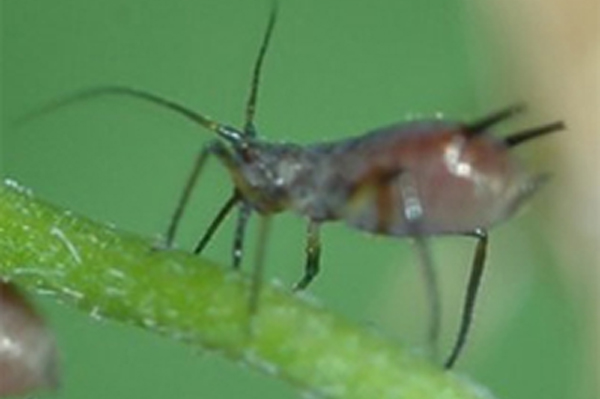
There are some common pests on tomatoes and aphids are some of the most voracious, they are able to clone themselves every 20 minutes and even the clones that have been produced come with a built in baby ready to go. So aphids not only clone their children, they do in effect clone their grandchildren. Early in the year they tend to produce all females but as the end of the year approaches they start to produce some males.

Aphids on TomatoesThe reason for this is that the males can go off and mate with females to start to change the genetic profile a little. This ensures that the species can continue should some unexpected change in environment occur. You can imagine that should the aphids try and survive on cloning alone, with no genetic variation at all, then should some circumstance come along that kills one, then it is obviously going to kill them all. Hence the reason that males of the species have to be retained and why aphids have sex, other than that it wouldn’t be necessary.

When it comes to aphids on tomatoes I can imagine as a keen gardener you are probably thinking ‘shame they thought about that I wouldn’t have to worry about them otherwise’. Unfortunately life is never quite that simple, but never fear, there are a few ways of dealing with aphids and not all of them involve using chemical pesticides.

(more…)

Mar
15
2012
0

Growing Tomatoes in Containers or Growbags

This is a subject that has been touched on previously, but growing tomatoes in containers is definitely a subject worth revisiting.

There are obvious benefits to growing tomatoes in containers which include being able to avoid disease through the use of fresh uncontaminated compost, having the available nutrients available for your tomato plants through the selection of a suitable compost i.e. one which is nitrogen rich, and for those with space constraints or no garden at all, containers provide an option they might not otherwise have.

A favourite choice for many is the ever popular growbag, and for those that want to know how to grow tomatoes, this might just be a good starting point especially if this is your first tomato growing excursion. Considering the benefits above, two of the most important aspects of growing tomatoes are avoiding disease and having a ready supply of nutrients in a suitable soil; planting in containers takes care of these requirements nicely. Combine this with a decent amount of sunshine, around 6 hours a day, and a regular watering program and you are virtually there with respect to growing and caring for tomatoes.

(more…)

Jun
03
2011
4

Which Tomatoes Grow Best Where – Popular Tomato Varieties

What tomatoes grow whereWith around 7500 different tomato varieties to choose from finding the tomato that suits you and the region you live in can be a little bit like finding a needle in a haystack.
A way to easily narrow down the choice and still stand a chance of finding one that will thrive in your location is to see what the local garden centre or store are stocking. That should at least help you find a tomato variety that will grow in your region.

Then the next question is how do you want to use them. The answer to this is usually in a variety of ways which could include for cooking, slicing into salads, to accompany a burger or just to pop into your mouth as a lovely little chery tomato taster.

Other factors to consider when selecting a tomato are: (more…)

May
27
2011
0

Homegrown Tomatoes Heirloom or Hybrid What’s the Difference?

Traditionally home grown tomatoes are produced from the heirloom varieties rather than hybrid tomatoes. So what is the difference between hybrid tomatoes and heirloom tomatoes.

What are Hybrid Tomatoes?

Heirloom or Hybrid TomatoesHybrid tomatoes come from a mix of tomato plants i.e. they have 2 different types of parent tomato. The reason this is done is usually to try and create a hybrid tomato that has the best features of both the parent tomatoes. On a commercial basis that might be to prolong the shelf life of a tomato so that they can sit in the shops longer before starting to degrade or to perhaps make them a little more robust when handled.

(more…)

May
02
2011
1

Preparing the Soil For Tomatoes

Tomatoes have to have loose soil rich with nutrients so that they can quickly establish their root system. The way to ensure the soil is rich in nutrients is to dig in well rotted organic matter and there is no better source for this than your own recycled garden and kitchen waste.

If you want to grow tomatoes and you don’t have a compostor then its time you did, and make sure it’s a decent size. You can always get it kick started with a little bit of Compost Plus and you will have some lovely well rotted compost to prepare your soil with in no time at all.

By that I mean when you prepare vegetables in the kitchen, instead of throwing away the peelings and waste leaves, keep them and throw them into a compostor. This is the same for the other half of the equation, garden waste consisting of grass cuttings and any other organic overspill from the garden such as leaves and cuttings which are usually available in abundance. Try to avoid the tough woody cuttings however as they take a long time to break down.

(more…)

Mar
22
2011
0

Choosing Tomato Seeds for Home Growing

Tastiest Tomatoes

When it comes to choosing tomato seeds there are many synergies with choosing tomato plants. The reason is pretty obvious and that is the seeds will eventually become plants.

There are a few more things to consider than when choosing plants and the first and most important one relates to cultivating tomatoes from your own seed. Never try and cultivate seeds that have been recovered from the ‘hybrid’ varieties of tomatoes. These have been specially developed for specific characteristics and cannot simply be used to grow tomatoes in a domestic environment. They just will not grow into a plant.

(more…)

Feb
02
2011
2

Where to Plant Tomatoes Is About Location, Location, Location

Tomato Planting LocationSelecting a location for planting tomatoes comes down to considering 2 aspects, first of all what the tomato plant needs to flourish and secondly the practicalities of looking after them.

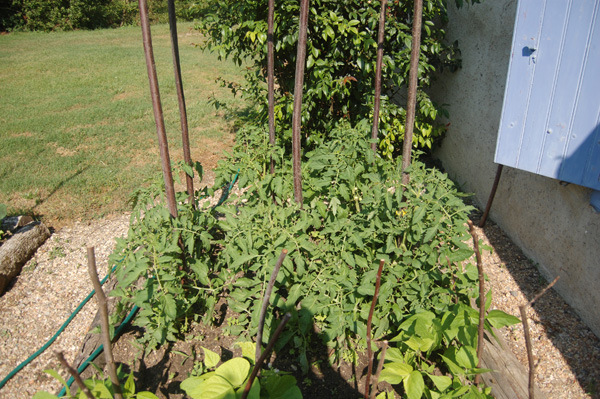
So focussing on the first aspect, it is fairly common knowledge that tomatoes need sunshine, sunshine in abundance and that means a minimum of 6 hours a day. They wouldn’t suffer and would probably enjoy up to 10 hours a day, so that is your first consideration and what it means is to identify a south, south east or south west facing location. Unless you are in the southern hemisphere and if you are I’ll leave you to work out where you get most sun. By providing this amount of exposure to the sunshine you will be pretty much ensuring that your tomatoes will ripen readily and that you will not be left with a whole harvest of green tomatoes, even though green tomatoes are great for chutney.

Tomato plants are also not that robust, this is the reason that you have to tie them up with soft string or find some other means that will not damage them. It follows then that if they are being battered by wind, or are exposed to odd bouts of severe weather, then they are likely to become damaged and perhaps you may lose a few trusses or maybe even a whole plant or two. So do them a favour and find them a reasonably sheltered spot. Being close to a wall or fence will go a long way towards protecting them providing you keep them on the sunny side of course.

(more…)

Nov
16
2010
1

Are You Growing A Lasagna Garden!

Lasagna Garden

This method of gardening gives you fluffy rich soil with very little work on your part.

Another name for lasagna garden is sheet composting. This method is environmentally friendly and best of all, requires that you do little to no digging. You just keep adding your kitchen and yard waste to the garden and compost in place to make the new garden.

To begin a lasagna garden, you do not have to dig. The existing weeds and sot can remain right where they are. You just start putting down layers over them. The first layer is either corrugated cardboard or newspaper. If using newspaper, you will need at least three layers. Use a garden hose to wet everything down and keep it in place. The weeds or grass that are underneath will just break down and become part of the compost pile. They will help to attract the friendly earthworms who will loosen your soil underneath the lasagna garden.

(more…)

Written by Home Grown Tomatoes in: General Growing Advice | Tags:
Jul
08
2010
8
May
20
2010
3

Tomato Planting Schedule for Seeds or Plants

Its around the end of May when you may be thinking that it is too late to plant your tomatoes. But a tomato planting schedule depends very much on where you are in the world, how long your growing season is, whether you are using a greenhouse and what types of plants you are planning on using.

The time to maturity becomes quite critical when leaving things a little late in the season. For example in the UK about now, approaching the end of May, it is about as long as you can leave it before getting your plants in. That said there are 3 general groups of tomatoes that mature in approximately the following periods:

  • Early varieties take around 50 to 60 days
  • Mid Season take around 60 to 75 days
  • Late season take around 80 to 90 days

(more…)

Powered by WordPress. Theme: TheBuckmaker. SSL Zertifikate, Eigenbau